Wednesday, 29 May 2024

                                    SPRING HAS SPRUNG


                               “Oh let them be left, wildness and wet.
                            Long live the weeds and the wilderness yet”

                                                      
Poet: Gerald Manley Hopkins

Water is the blood of life. We can live without gold, but we die without water.


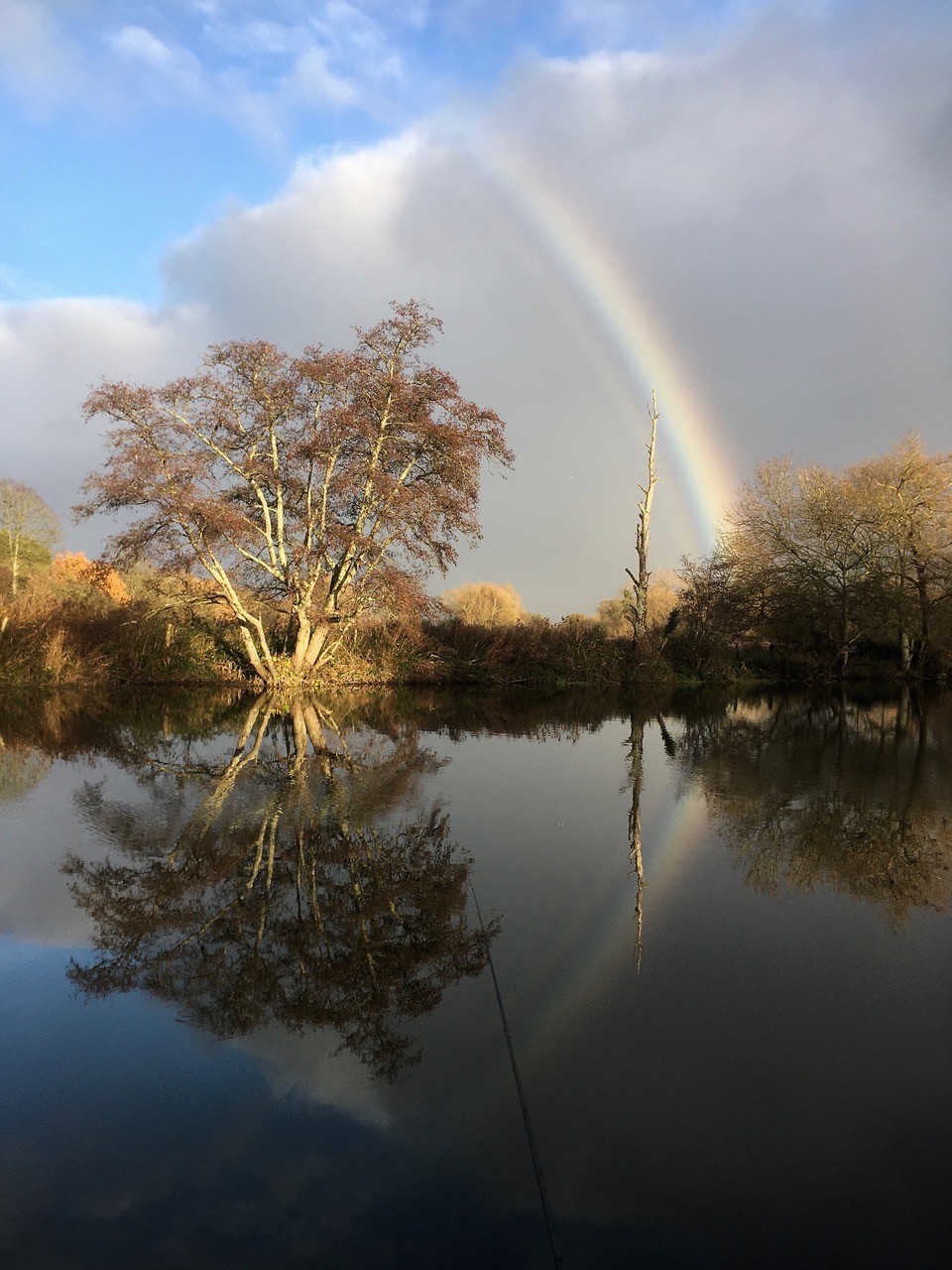
But isn’t it a relief when the rain stops, the sun returns and life in our garden is full of hope for the future.


And isn’t hope so important to us all, the belief that our world will get better when life is so awful for so many and global warming and wars threaten our very existence.

However, we all have some treasured images of the good times stored away in our hard drive brains and reminding ourselves of those happy moments makes us smile, especially when winter  returns with a yellow warning vengeance and outdoor plans are on hold. So for me, writing is the antidote when forced indoors, either by winters beauty or as now. It's raining again!
I love all the seasons for the variety they provide, not least winter when there’s time to prepare the garden for spring and the glorious days when tulips burst into life, creating a kaleidoscope of colour.


My wife Sue and I marvel at the skills of growers that create such exquisite artistic details in their tulips and narcissi, their scents too. Ours this year came from Dutch maestro Peter Nyssen.
But many growers provide magic too. How does such beauty come out of a bulb hardly the size of a golf ball? Simply magic.


They’ve been hidden away, growing all winter while the rains fell incessantly and our local rivers flooded, though even that created an opportunity, so long as you don’t live on a flood plain. How do  planners allow this to happen?


Seeing our local Dorest Stour flood vast swathes of water meadow is awesome, nature showing its power, though admiring it might become more difficult as extreme weather events increase due to the climate crisis. Luckily we live on that far hill.


Raging rivers proved a problem for us fishers but I love a challenge and despite wet feet, I caught a few fine fish from our local Dorset Stour and Hampshire Avon. 


Struggling in this water world of beauty makes me humble and helps me to appreciate the wildness of it all.


We often wonder what we can do to help ameliorate the climate crisis and wetting our gardens will certainly help, so getting the spade out and digging - a lot, we created a wetland garden.

We are fortunate to have a small stream running through our patch, so by damming it in several places we have created six ponds and a marshy area for frogs, newts, grass snakes and ducks.


And by wetting the garden, we are not only ameliorating the risks of flooding downstream but sequestering carbon to reduce global warming. We are honorary beavers!
Mud, mud, glorious mud - and the egrets flew in as soon as the pond re-filled with water.

Creating wetland habitats provides homes for wildlife of course and we’ve loved the sunny, spring days when the dragonflies and damsels return, along with several species of bees, butterflies and birds, even the exotic looking mandarin ducks.


The beautiful demoiselle and golden ringed dragonflies delight us by being attracted to our ponds and streams, though amazingly, this golden ringed beauty was snatched spectacularly the next day right in front of our eyes by a hobby ... an OMG moment!


Songbirds flock in too, but how does this diminutive chiffchaff weighing around 7grams, [that’s less than a 50p coin], fly all the way to Africa for the winter and back?  And hearing it in the garden for the first time is a moment of magic, it’s song announcing the arrival of spring.

This one took offence at its reflection in our window and became a head-banger for three days as it tried to drive the imagined reflected competitor away. Eventually it adjusted its attitude and territory but never stopped ‘chiffchaffing’ in its onomatopoeic way. A delightful bird.

Another of our African migrants is eagerly awaited by us each year, our local ospreys, returning to their nest in Poole Harbour from their winter quarters in West Africa's Senegal. 


Our pair, identified by their leg rings CJ7 and O22 can be viewed on the ‘Birds of Poole Harbour’ webcams and my spring tradition is to watch the nest live every dawn from six am or earlier in anticipation of their arrival … and I was very happy to see them arrive at sunrise on March 25th ... though even greater luck was to follow.

I’d never seen a bird lay an egg before and what appeared to be her contractions attracted my attention, so I was glued to the screen until she sat up to reveal the first egg of the year, laid by our star lady CJ7  on April 15th.
She also treated me by revealing a rare fourth egg early in the morning of April 25th, they usually lay only two or three.

So sitting watching a computer screen with a cuppa at silly o’clock has its own rewards.


Hopefully they’ll all hatch and provide our family with a reminder of those happy days when Sue, Katie and Peter lived up in Scotland for two summers in the late ’70’s as I made a film on ospreys for the RSPB. It was a perfect place for our children to grow up and they remember fondly those wonderful days filled with a great variety of wildlife adventures.


Back to the present day now, and I don’t need to remind you that it was a wet winter, though all that water had it’s benefits, for our garden trees and shrubs have grown better than ever this spring, the magnolias, rhododendrons, azaleas and wisteria providing a joyous sight for winter saddened eyes.


We believe in 'No Mow May', and June and July ... so our wildflower meadow provides a sea of flower throughout the summer for all our bees and butterflies.


No doubt the lack of frosts and all the rainfall down here in the south has helped our oaks, birches and ash trees to grow really well this year and as each one reaches ever higher for the sky, it’s as if our little cottage is sinking ever deeper into a woodland wonderland.


And as the spring sap rises, so does my compunction to go fishing, the ancient hunting genes strong, even though I never harm or kill my quarry. 

Being a passionate angler takes me closer to nature, to be at peace with wildlife and if I get lucky, I even get to touch it.

 
Fish after all are wildlife too, fascinating as well and surely, even if you're not an angler, you must admire this beautiful creature. 


Tench are one of my favourite species of wildlife and I love more than almost anything to be beside a lake in spring, surrounded by singing birds, trying to catch a big one ... and this is a big one, so I did get lucky.


And catching any tench in this lake is an inspiring challenge because there aren’t big numbers of them living here and in thirty acres of weedy water, they take some finding. But that is the very essence of fishing, the mystery of the unknown, the quandary of where to cast your bait and what tasty morsels to attract and tempt them to eat.

And when after hours of waiting,
a tench finally rushes off with the bait, the shot of adrenalin and excitement takes your breath away, the gentle wildlife watching overcome by anxiety and excitement as battle commences.


Tench are powerful fish, full of muscle, with big fins to enable them to escape and if they do, the feeling of loss leaves me shaken in disbelief and if it was a big one, the disappointment lasts a lifetime, and don’t laugh because it is true, the ‘ones that got away’ are always the most memorable.

And don’t believe those ideas that you haven’t got the patience to be a fisher because while waiting for a bite there is never a dull moment, there's so much to see, to enjoy and to hear, the calls of bitterns and reed warblers, the circling buzzards and red kites, the dragonflies and damsels.

And if you win the battle and land your tench, what a beautiful creature to behold, it’s golden yellow and green scales and red eyes, yours to admire for a brief moment before releasing it unharmed, swimming off gently into it’s watery home, leaving memories to treasure.


I’m actually writing beside this lake in the Cotswold Water Park as the rain hammers down, resisting the temptation to fish and so avoid getting a soaking. But I appreciate the chance to share these experiences with you while sat so close to nature.

In the middle of last night I was woken by a cuckoo, calling as it flew over my camper on its return from Africa’s far off Congo forests. Singing in the dark, he was obviously keen to crack on with his breeding season.


Woken again at 3am, two mute swans thrashed in the River Thames beside me, driving off an otter that threatened its sole surviving cygnet. The otter had killed and eaten a large carp at dawn yesterday, close to where a sit writing, a sad end to a lovely creature. But otters have to eat too and in their own way, they are remarkable and I love 'em, though when they raid our garden ponds, I wish they wouldn't trash our carefully managed wildlife habitat. This one visited our garden ponds on a frosty morning in February, a privilege but a mixed blessing too.


Back to the now, writing beside this Cotswold lake at dawn, a group of cranes are bugling evocatively in the nearby marshes while a cuckoo is tolling its call loudly and relentlessly from a willow just above my head and as I listen intently I become aware that they aren’t saying cuckoo at all but ‘Blackpool’! Next time you get a chance to listen, I think you’ll agree.

Out in the lake, tench swirl and above them, swifts returning from central Africa trawl the skies with wide open beaks and a carp leaps clear of the water as if in celebration of a new day.

Then a sudden surprise as my good friend Chris Burgess brought his family to meet me, including his young daughter Ezmay, seen here with her Dad with one of the lakes monster carp.


Ezmay is famous for showing me how easy it is to catch big tench from this lake by landing a monster tench of 9lb10ozs, bigger than any I've ever managed, so it's a joy to see a young lady proving there's no limit to what children can achieve if encouraged by loving parents. 


What a fish! It sure makes me smile.


Dad took this happy snap of Ezmay and I beside the lake and it was indeed a happy reminder that friendships are far more important and rewarding than catching fish, even big ones.

And as I finish writing this story on May 28th, the news is out that three of the four osprey eggs have hatched, with the last one hopefully scrabbling out of the egg to join it's sibblings tomorrow. So there's lots of wild days in the future to look forward to and be happy.


                         Ain’t natures springtime wonderful.


Monday, 26 February 2024

IF CARLSBERG BREWED BEAUTY


There are so many horrors in the world right now that I badly need some mental medication and one way of recovering is to remember some of the inspiring natural beauty I've enjoyed around the world.


Having been privileged to visit some remarkable places during my sixty years making wildlife films, and even though concentrating behind a film camera, my basic happy-snapper clicks away when time allows.


Choosing the first place to visit in my 'Carlsberg Beauty' idea is easy because the Andes Mountains in Patagonia are so stunning, especially in the Torres del Paine National Park. I was lucky to camp here in the wilds with my assistant and good friend Donaldo Maciver on and off for more than two years. Donny was a gaucho from Argentina, well versed in the challenges of surviving in the wilds and a great companion, though n
ow most sadly departed. 


Our task was to try to make a first ever film on pumas for National Geographic television. Pumas are also called mountain lions or cougars in North America and the adventure with these big cats was as memorable as life gets, for even finding them was a relentless though rewarding challenge. 


Ruthlessly persecuted by the gauchos, these pumas were terrified of humans and during the first few weeks, they simply fled on even sensing our presence and despite being protected by law, the local gauchos infiltrated the National Park while we were filming and shot at least three pumas. So it took me four months to try to befriend and eventually win the trust of just one cat, this beautiful lady we called Penny.  After several more months of tense relationship building, she allowed me the privilege of following her around the mountains while she looked for prey.


I was writing a book about her adventures and as I’m not a good enough stills photographer, I asked my good friend and ace photographer, Laurie Campbell to join me in Chile and take some proper pictures of her. So these beautiful pics of Penny are Laurie’s work and though several of the pics of the park and scenery are mine, the good ones are Laurie's! We had a great few weeks out there together, trying to find the cats and do justice to this stunning place, so I should crack on and finish writing that book.


Mountain lions are notorious in the Americas for killing one or two people each year, so I hoped that when she looked at me like this, she wasn’t thinking ‘dinner’!


In fact, soon after I had finished my film in Torres del Paine National Park, a fisherman was killed down by the lake where I had been filming and if it had happened while I was there, I certainly wouldn’t have been following her around in the middle of the night!


On one occasion, I was filming her eating a kill when the moon became hidden behind thick clouds, and as there was no light for my special lens, I curled up in the heather to catch some sleep. But curiosity got the better of her and she crept up to sniff my head. She gave me a hell of a fright and I certainly didn’t risk that nightmare again, so sat on a stool instead!


The bond of trust we had between us was remarkable, for she was relaxed enough to allow me to follow her as she hunted and when resting in the sun,
 I was allowed to sit quietly by my camera just a few yards away. She would even curl up to sleep .


Even though pumas are the star attraction in the park, there are many more critters, some of which are on the big cats menu, the most notable being the guanaco, the direct ancestors of lamas and surprisingly perhaps, also related to the African camels before the continents separated.


They are formidable animals, tall and muscular and weigh twice that of pumas, so hanging onto them when and if they catch hold of one is a dangerous mission and can lead to injury. 


Success is hard earned and one in maybe eight attempts a winner but once achieved, they provide a meal for several days, or a lot less when Penny had two cubs to feed.


Worse still, she had competition from the numerous Andean Condors, so had to be careful to cover the carcass before dawn to hide it from preying eyes. I was lucky to film her scraping paw fulls of vegetation for twenty minutes or so while the cubs played rugby scrum wrestling until she had covered the carcass. They then took an interest in my huddled form and it was slightly alarming sitting there in the dark surrounded by three large cats looking intently at a slightly nervous me! They would leave as dawn approached and if she hadn't done a good enough job, the condors would devour several days of cat food in a few hours.


The ostrich like rhea is also on her menu, foxes too if they aren't quick enough when scavenging her kills, and foxes never missing an opportunity for a meal, they learnt to hang around camp for scraps. Taming them was easy, dog biscuits being very welcome, though little bits of cheese were so desirable that I had them eating off my knee.

They dug an earth close to our camp, their 'supermarket', so Laurie was able to set up a hide and photograph the charming little cubs.


All this was unfolding among this stunning scenery, come rain, snow or shine … or storms. These 'lenticular' clouds are whipped up by the cold from the largest glacier in South America, hidden just behind the 
mountains. They create wind ... and I mean WIND, so fierce that it has blown roofs off hotels, rolled Land Rovers and lifted water off lakes into the mountains. There is a famous saying ‘that if you want to see Patagonia, you just stand still and it will all blow past you’!


Missing Sue and our two children at home, I would always go home for important occasions, especially Christmas, so I was away from Penny for a few weeks. Then upon returning, and despite not seeing me for a while, she walked up and greeted me with a meow. It was unforgettable because that trust, even affection between human and wild animal is as good as life gets, especially if you’re a wildlife film-maker. 
      Even now, remembering that moment brings tears to my eyes.


And there’s a happy ending to this adventure, for our film was so admired by the local hotels and lodges in the National Park that on rainy days, they would show it to their guests. And when visiting six years later for a holiday with my soul mate Robin Pratt to celebrate my sixtieth birthday, I was recognised by the staff and my brief moment of fame resulted in gifts of food and wine. 

What kind folk the Chileans are, especially those in our  hosteria on this beautiful lakeside island, with views to die for.


I had known Robin since my teenage years at school, for he and his two sisters lived up in the remote hills of central Wales 
and their love of wildlife was an inspiration, so I spent memorable holidays with the family, walking the hills looking for red kites. 


They were very rare then, down to just a few pairs, so their recovery is a remarkable good news story.


Robin became RSPB warden on Ramsey Island and when not mending stone walls, we'd dive among the seals for lobsters and count choughs. Robin met and married Judy and they raised three daughters on Ramsey, farming red deer on the island until school dictated a move to the mainland, and in case you're wondering where this story is going, he started breeding guanacos in Wales and it became the largest such farm in Europe. His visit to Chile with me to study the Park's guanacos helped him to understand their complex behaviour and his herd grew to about two hundred and fifty, providing some of the finest wool scarves in the world. Guanaco fleece is wonderfully warm - and they need it!


And there's another happy ending to our filming because I'm told by our friends in Chile that, because of the film, it didn’t take long for the estancia owners to realise that tourists were worth more dollars than sheep, so stopped killing the pumas and provided 'home stays' on their estancias so their tourists could enjoy watching wildlife, with pumas the star attraction. Since then, all the wildlife has flourished, there’s many more pumas now and they’ve become so tame that large film crews can stand among the big cats and are ignored, even with drones flying over the cats heads.


The resulting films of these beautiful big cats and their hunting and family life are truly remarkable, not least the recent Attenborough series on the BBC called ‘Dynasties’. So it’s a win, win result, our pioneering film not only saving pumas but proving that wildlife on television can indeed have a positive effect on our natural world and its' wildlife. 

So some good news instead of bad. Excellent!


And if you still need some more beautiful photography for happiness medication and would like to admire more of Laurie Campbell's lovely images, you can visit his website. 


There's hundreds of stunners ... and he's illustrated and written many lovely books such as ' Otters - Return to the river', 'Highlands - Scotland's Wild Heart' and 'Golden Eagles', even contributing to one of mine, 'The Great Wood of Caledon'.

I have other friends who are 'Carlsberg' photographers, so I'll  add some more of my stories from the wilds and from some great cities too when time allows. So watch this space and enjoy the spring beauty out in the fresh air.