SHARING SPRINGTIME
Enjoying our sunny garden with close friends on Sunday reminded Sue and I how privileged we are to own this little patch of southern England and all the wildlife that lives here with us.
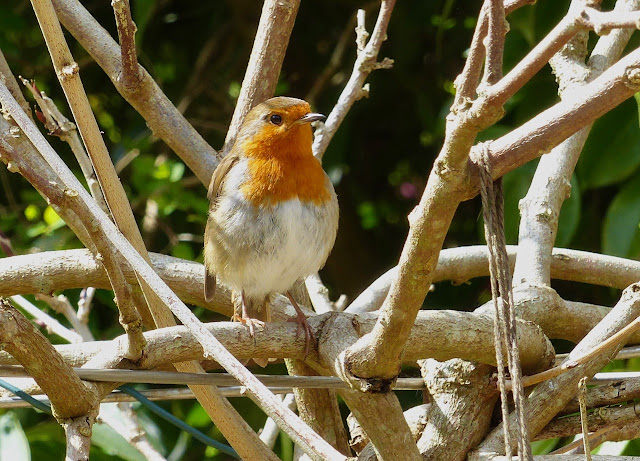 |
one of our almost hand-tame robins
|
Our
few hours together also reminded us of just how important it is to
share the joy of all these wonderful spring colours, so I thought that
penning a quick blog and adding a few happy snaps taken during this last
week might be appreciated by those who love gardening. |
tulips provide a glorious burst of colour after the drab winter rains
|
|
 |
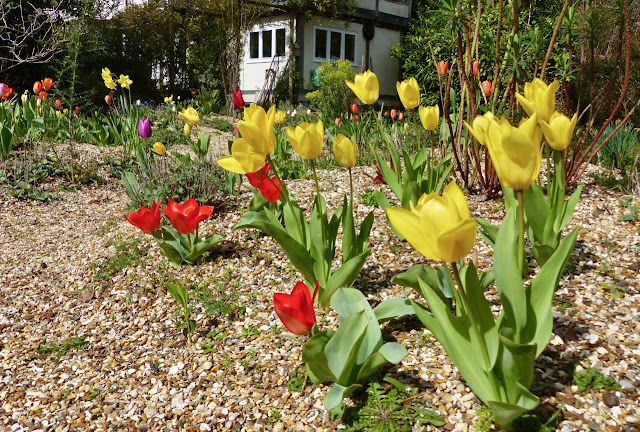
planting them in our gravel garden is knee crunching
|
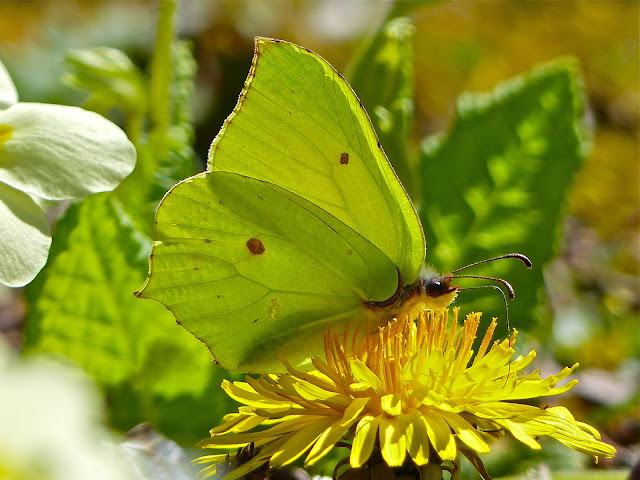 |
it's been a very good spring for brimstones, though we fear for them during these recent hard frosts
|
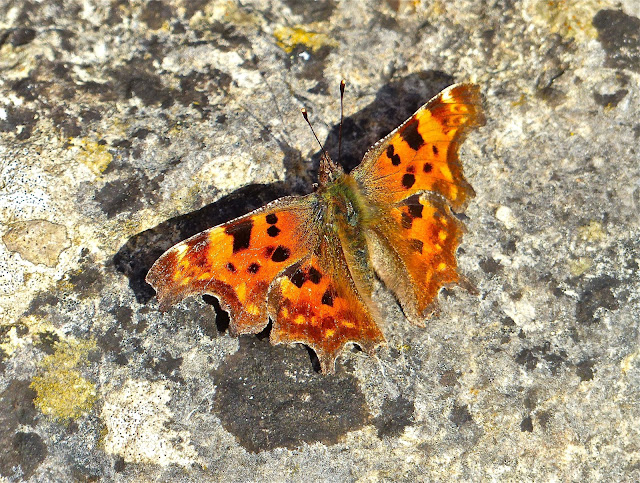 |
commas have been fewer this year, though always a colourful treat
|
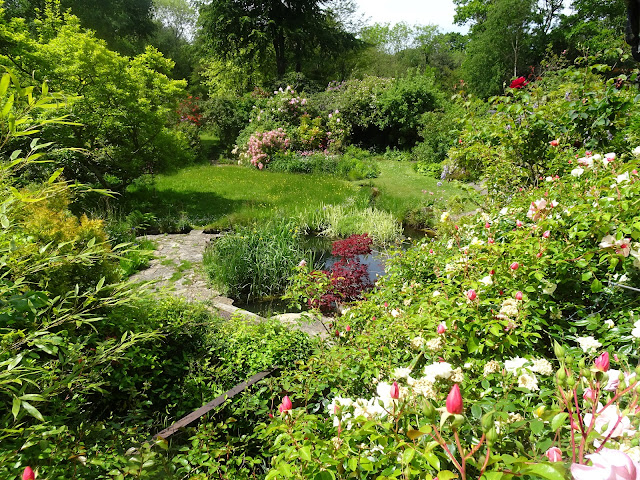 |
our wooded patch and the pond close to the house which the visiting otters use as a swimming pool
|
 |
| sun worshiping |
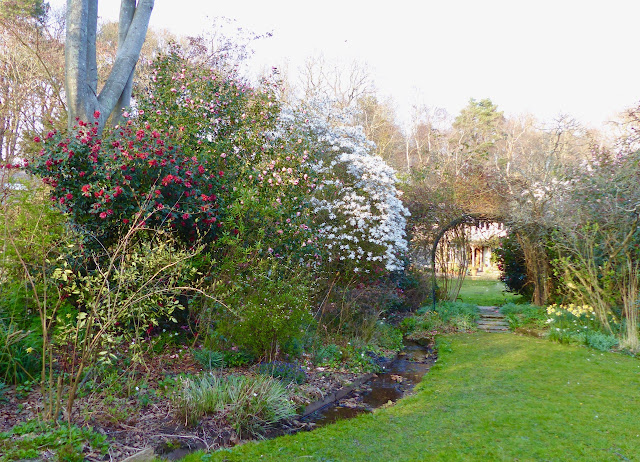 |
the little stream runs through the heart of the garden past camellias and magnolia stellata
|
Our two acres of woodland, flowers and shrubs is unashamedly designed, not to be neat and tidy [God forbid!] but to provide a home for the most diverse collection of critters that we’re able to attract.  |
we are blessed with many jays, this lady was enjoying her sunbathing by lying on a log outside our kitchen window - lovely birds aren't they
|
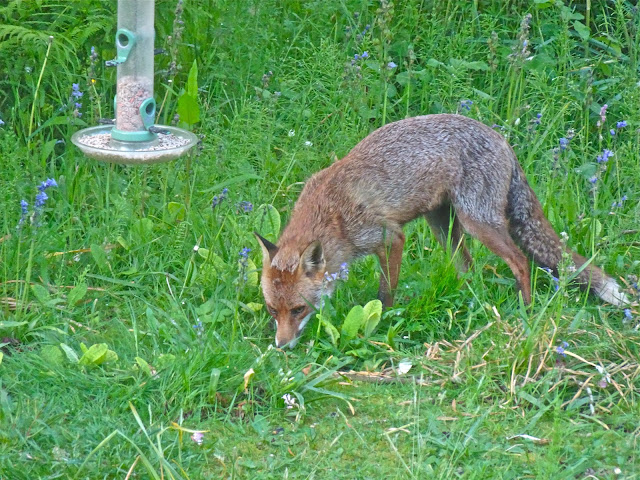 |
foxes are about most nights, tidying up spilt grain
|
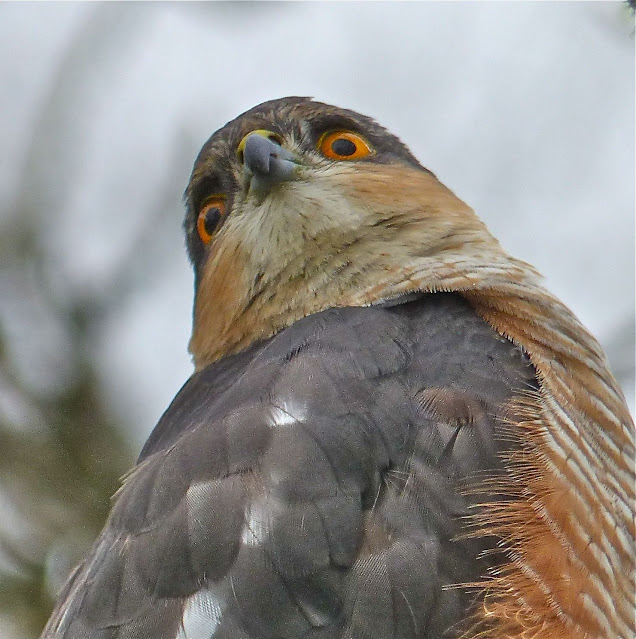 |
male sparrow hawk named 'Fancy Dan' because he was always bathing in the stream
|
Our remarkably tame pair of sparrow hawks actually nested in a birch tree right in the middle of the garden and raised a chick, so I was able to invite friends to come and take pics of them while they remained so obliging.
 |
flowing water provided Dan with a perfect bathroom - he was a very smart boy © Mike Read
|
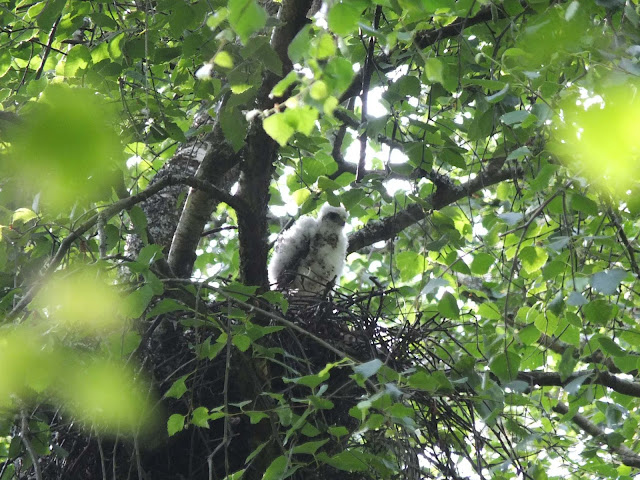 |
the chick close to fledging into nearby branches © Jane Adams
|
 |
Fancy Dan's daily bath time was followed by hours of careful preening © Mike Read
|
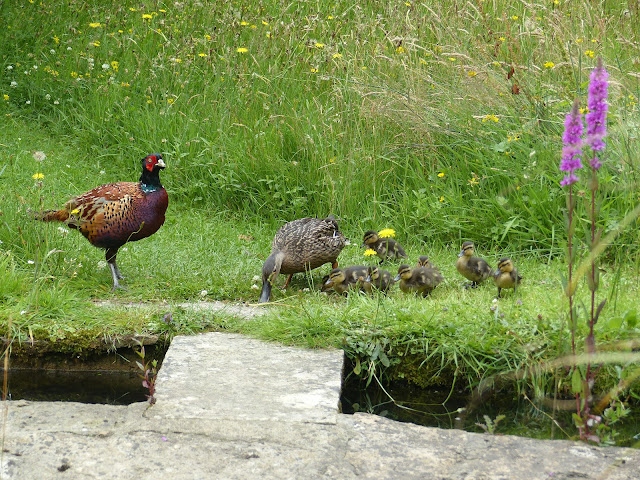 |
amicably sharing bird food - we called him Prince Willhelm the Second as our previous one went awol
|
So in reality our garden is a little nature reserve that in turn provides us with an escape from the realities and horrors of the world that all of us are suffering right now. There’s a lot of madness out there but within our sanctuary we can enjoy mental and physical renewal and while we’re at it, do our bit for the climate crisis.
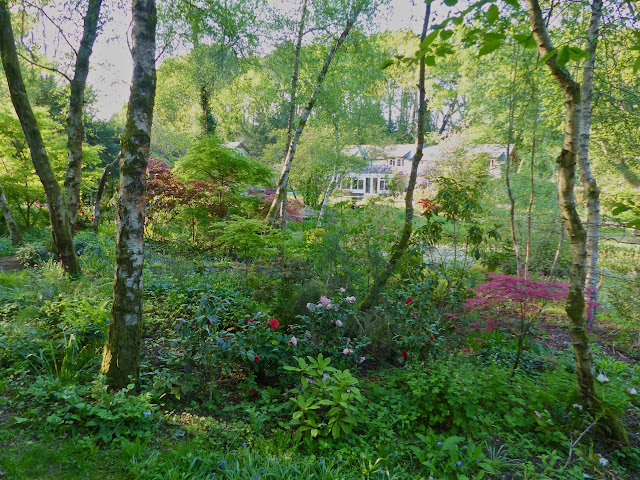 |
acers, birches, camellias and rhodos thrive on our moist hillsides
|
Over the forty years that we’ve been lucky to live here, we’ve planted dozens of trees and even more valuable to combat climate change, we’ve wetted the land by digging seven ponds large and small, along with a wooded marsh, then cut a stream to link all the springs from the groundwater together so that freshwater flows from end to end through the garden.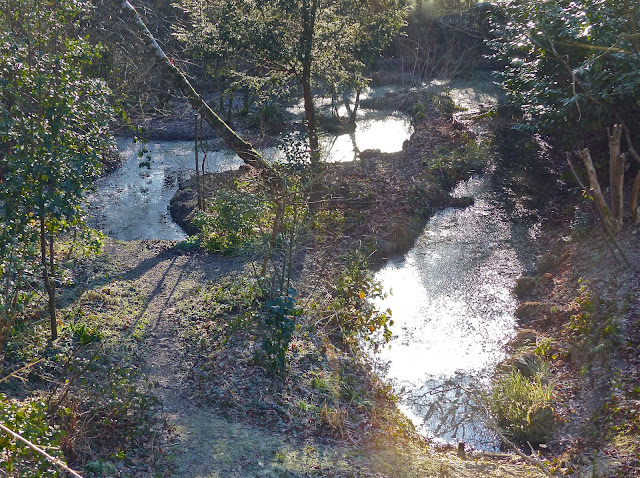 |
our marsh provides a home for dozens of amorous frogs in the spring
|
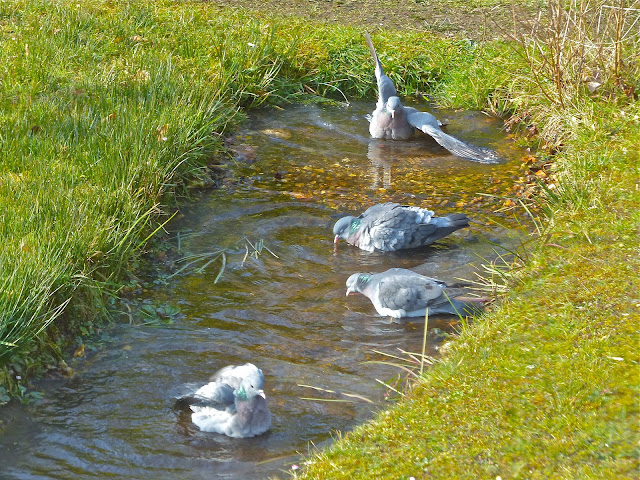 |
stock doves and many others enjoy a wash and brush up in our crystal clear streams
|
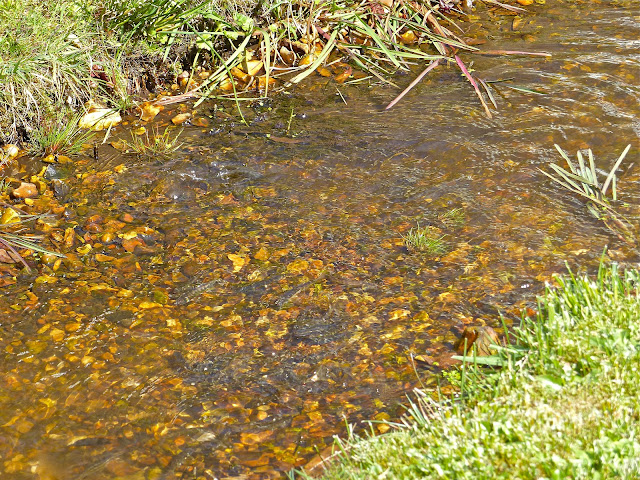 |
our minnows are spawning outside the office as I write, early April being their crucial time
|
Many birds enjoy bathing in this clean water, stock doves, sparrow hawks and buzzards to name a few, and our minnows spawn in them, providing food for visiting kingfishers. |
our colourful kingfisher called Kevin, a regular so he had to have a name
|
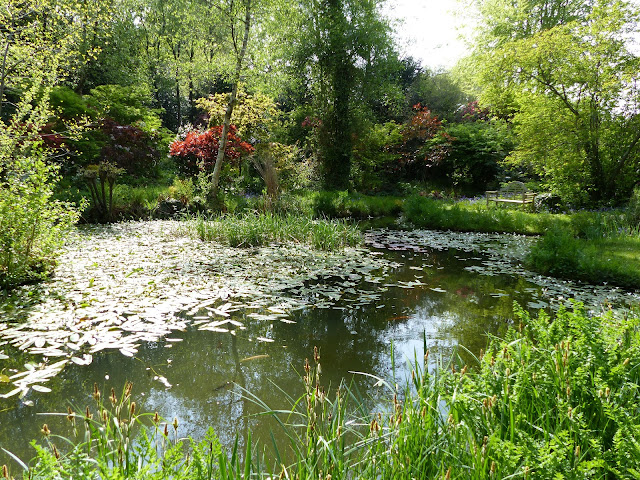 |
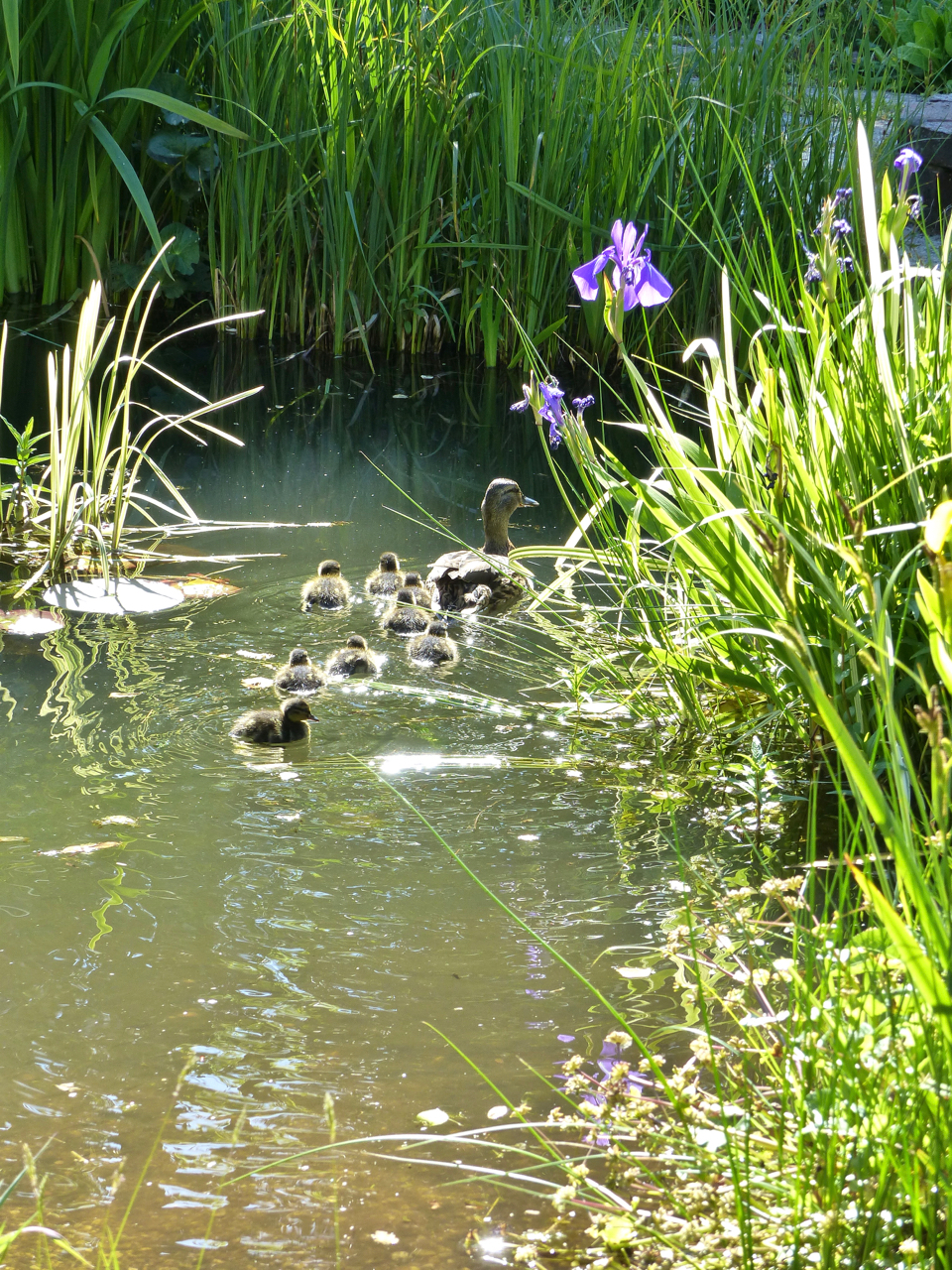
our main pond requires lots of weeding and dredging but is a magnet for passing ducks
|
Wetlands capture more carbon than forests, so even a small pond is a little contribution to saving our planet. What’s more, by storing water we reduce the risk of drought or flooding and provide a trickle for our beleaguered rivers.
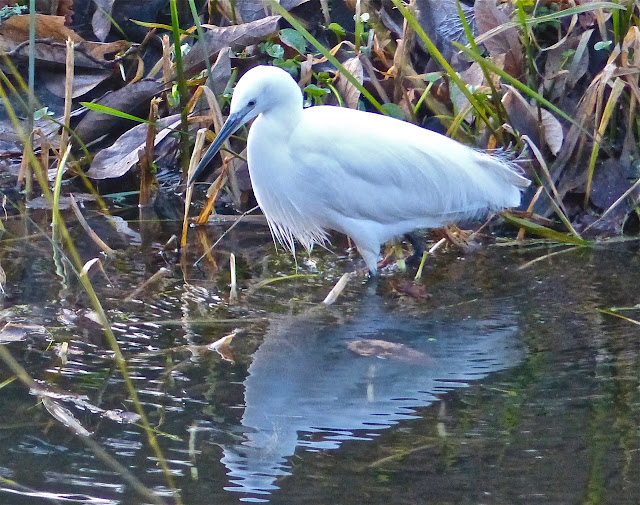 |
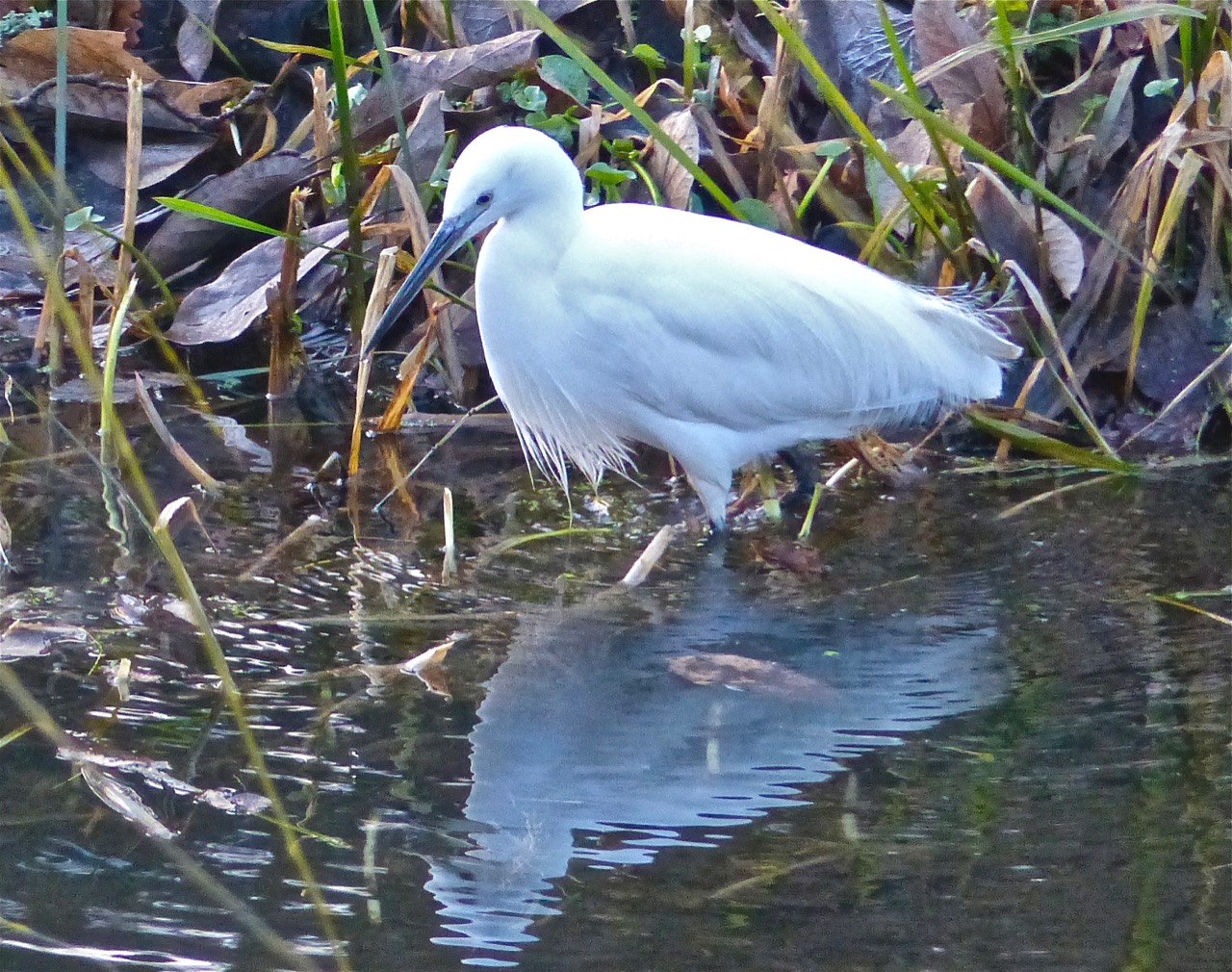
little egrets are frequent visitors now, though always a pleasant surprise as they were once so rare
|
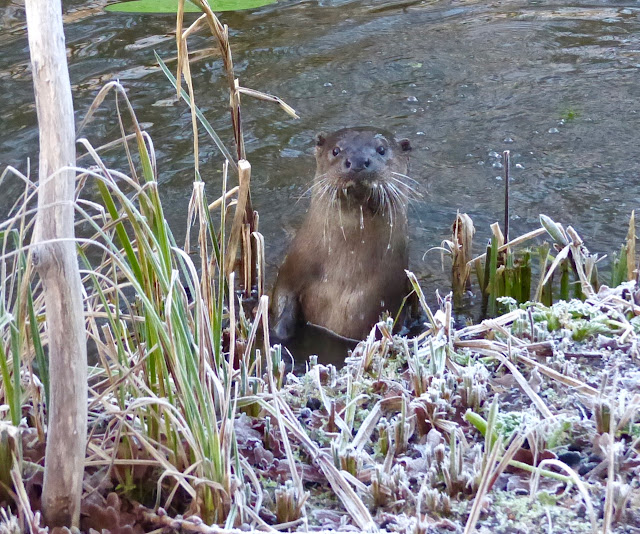 |
otters are a mixed blessing as they trash our aquatic ecosystems, though I'm always delighted when they come as having otters in your garden has got to be one of the great privileges of life.
|
Even better, by providing water, we’ve created attractive habitat for herons and kingfishers, even egrets and otters, and along with nesting mallard and our colourful native fish, we delight in zipping dragons and damselflies and uncountable invertebrates.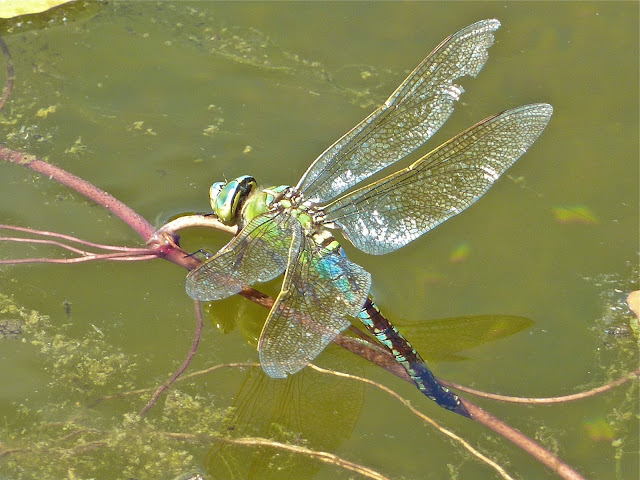 |
an emperor dragon egg laying, a daily delight in the summer
|
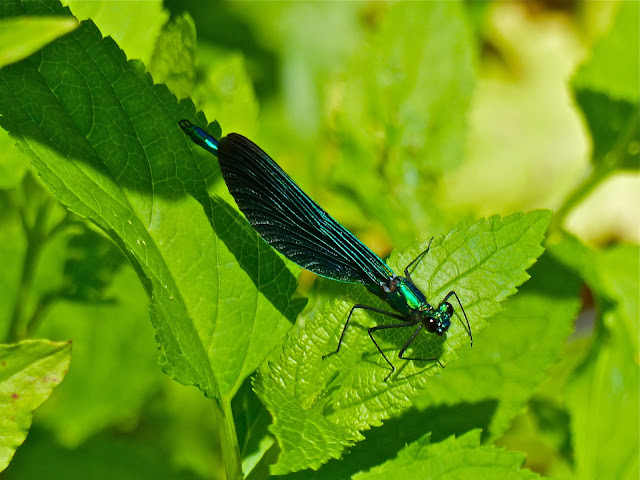 |
beautiful demoiselle, a frequent summer visitor, along with the banded variety
|
 |
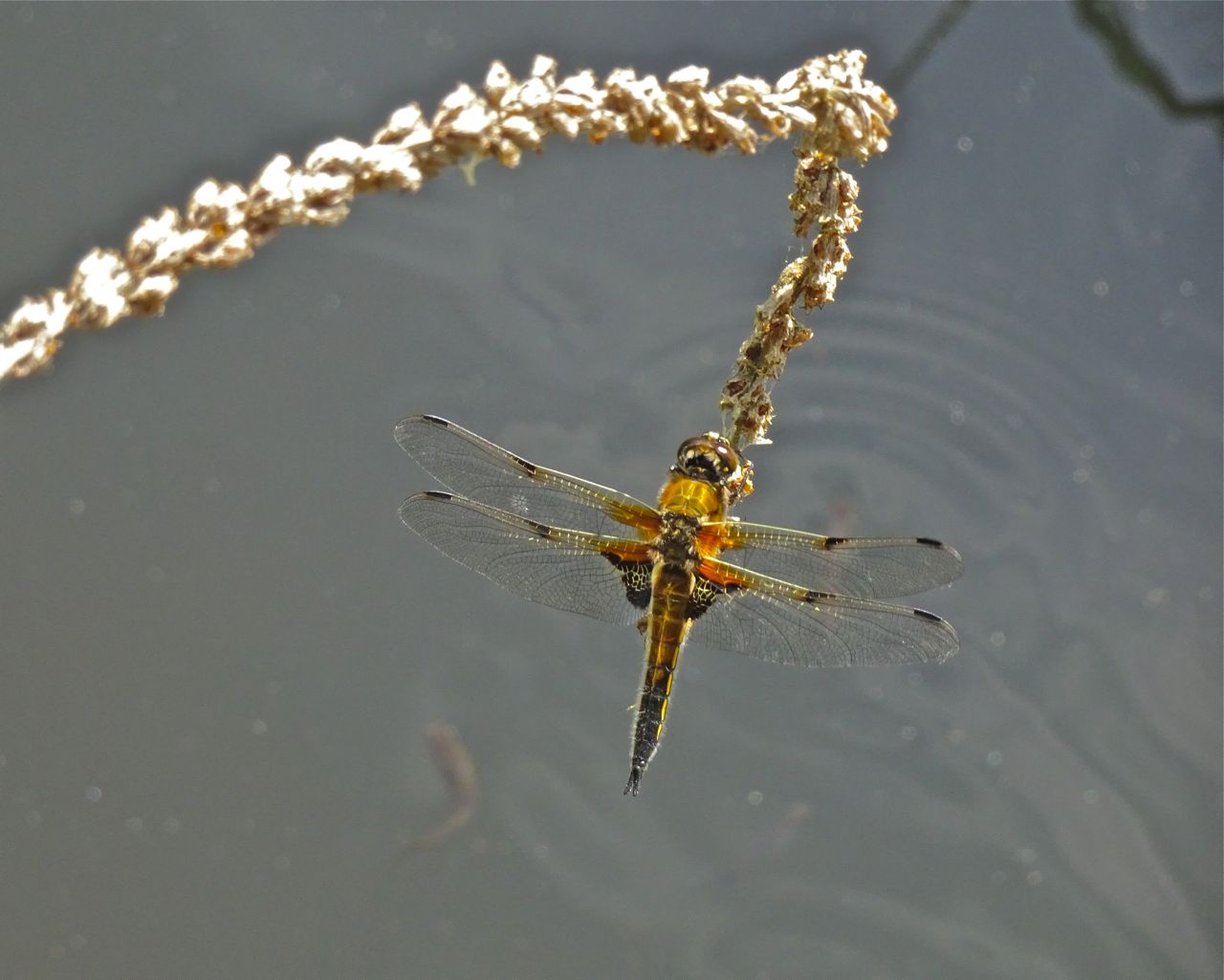
four-spottted chasers are occasional visitors in the early summer
|
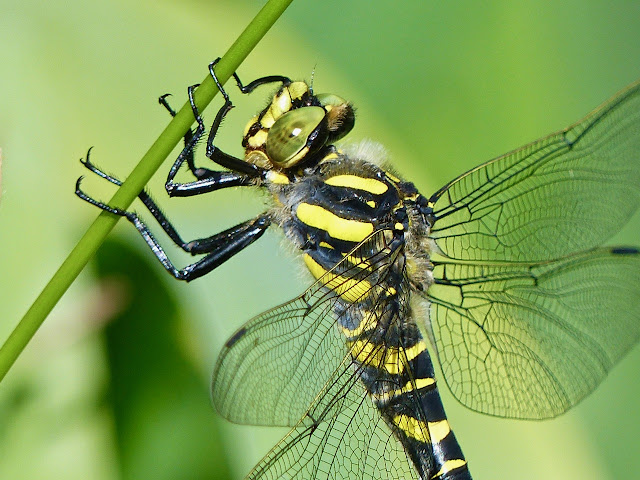 |
magnificent golden-ringed dragonflies are rare here and this one was snatched by a passing hobby!
|
So if you have a garden, however small, dig a pond!
To counter the increasing threat of drought, we’ve created a dry garden with gravel and planted lots of invertebrate friendly plants and these have attracted squadrons of buzzers, though that will be a story for another time and once the rain stops, maybe spring will return and we can glory in some lovely warm sunshine.
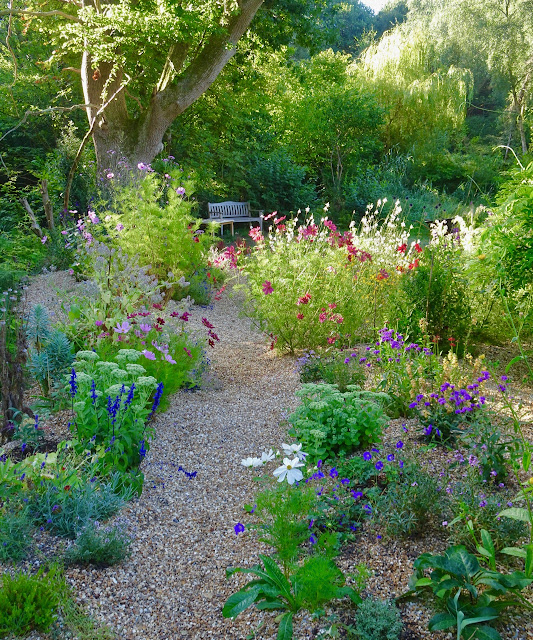 |
our patch created for bees and butterflies and called the B&B - of course!
|
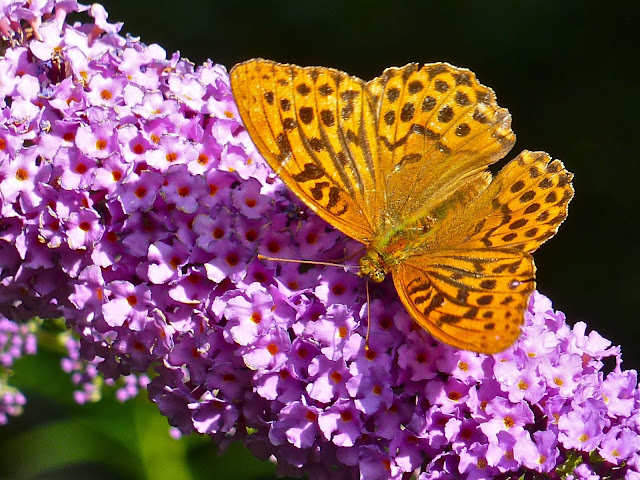 |
visiting silver-washed fritillaries are always a treat.
|
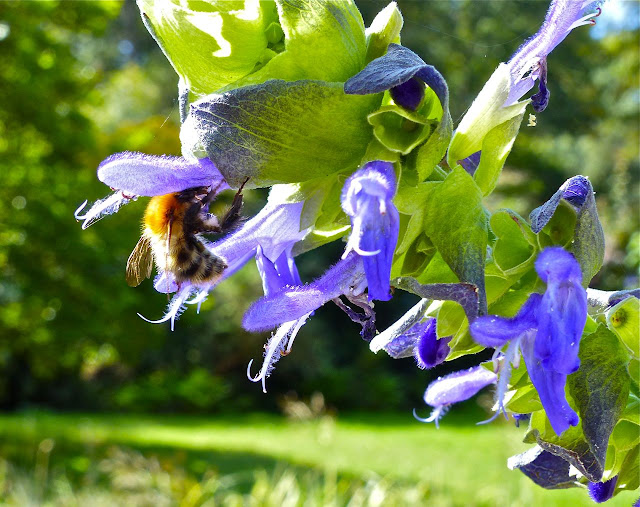 |
a carder bee enjoying the nectar from a glorious blue salvia
|
 |
| roses round the door - this is albertine, an old but delightful variety - the bees love 'em too |
To help the bees and butterflies, we have also let our 'lawn' by the cottage grow wild and within a few years it's become a wildflower meadow with a surprising variety of plants, including three species of orchid along with snakeshead fritillaries and all of them without our help at all. Ain't nature wonderful if you give it a chance.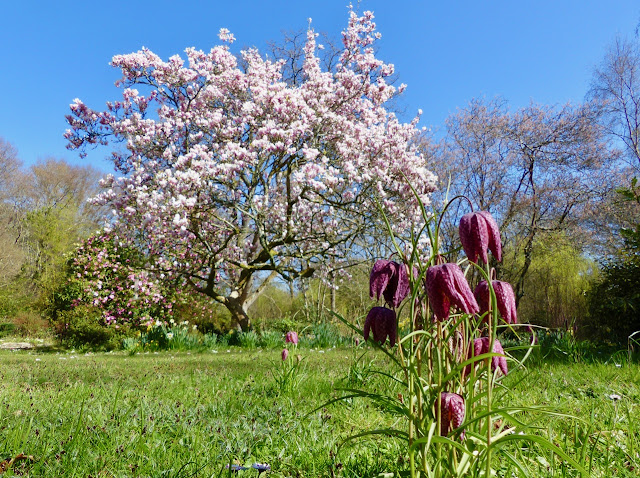 |
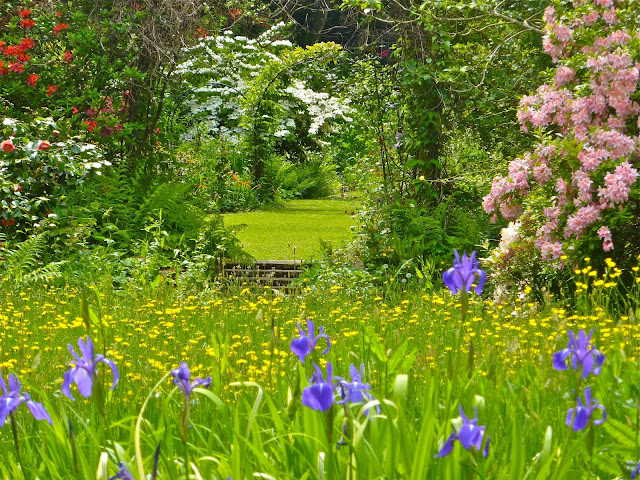
spring is sprung in our little meadow in sunny Dorset
|
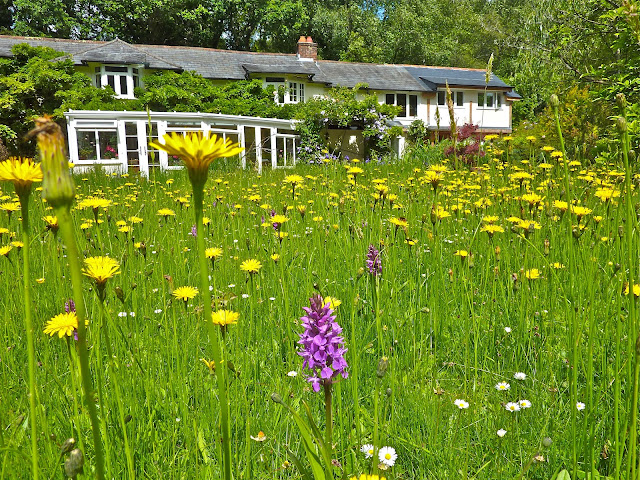 |
southern marsh orchids are the most common with a few spotteds and pyramids as a bonus
|
 |
the buzzers love all these blooms
|
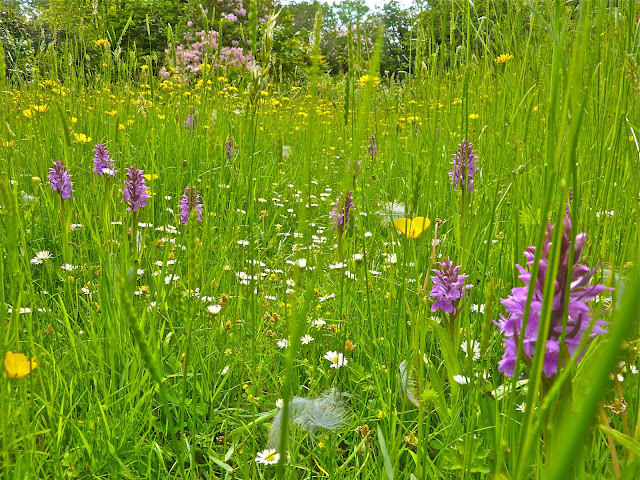 |
up to 160 blooms and spreading fast, one of the joys of leaving a garden to grow wild and free
|
As of yesterday, we can bring more good news, because following on from my previous blog about successful reintroductions of once rare birds, our star osprey CJ7 returned to Poole Harbour yesterday from her winter sojourn in West Africa and if her mate ‘Catch 22’ returns to join her soon, we may well have the first successful breeding pair of ospreys in Southern England for nearly two hundred years … and when the nest site is only six miles from our door, news doesn’t get any better.
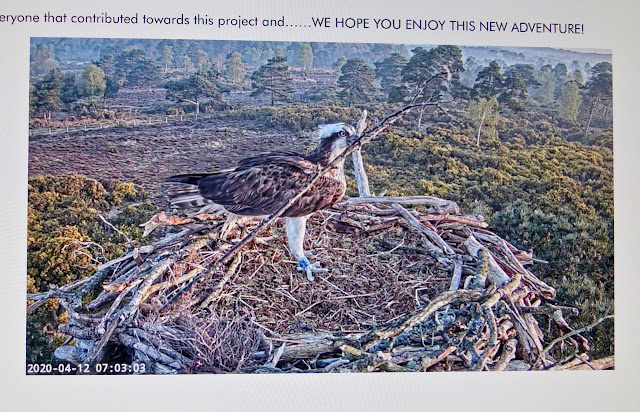 |
CJ7 building her nest on Easter Day in 2020 © Birds of Poole Harbour
|
The exciting reintroduction of ospreys to Dorset has been made possible by the hard graft of the Birds of Poole Harbour team and the long term vision of Roy Dennis. It was in the mid '70's that Roy and I made a film on ospreys for the RSPB, even travelling to Africa to film them in the Gambia, so below is a pic from one of our Scottish nests, a picture that we hope will be replicated by success in Poole Harbour this summer.
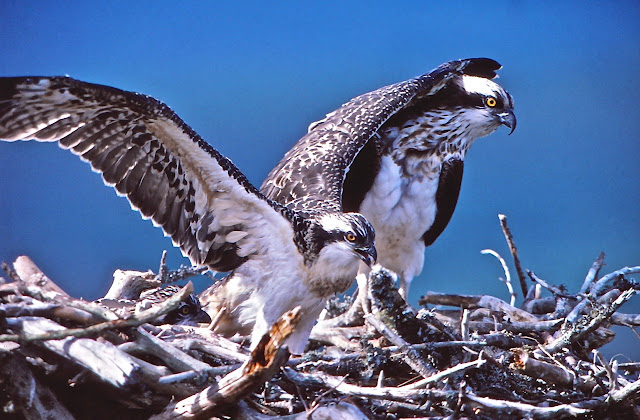 |
A Scottish pair of ospreys successfully raising two chicks - fingers X'd it will happen here soon
|
And when we're not admiring ospreys or the graceful red kites overhead ... and not got our heads down planting treasures in the garden, we’ll have to keep our eyes on the skies in the hope that the white-tailed eagles glide from the Isle of White over our heads and add to the joys of life in sunny Dorset. Aren't we lucky!
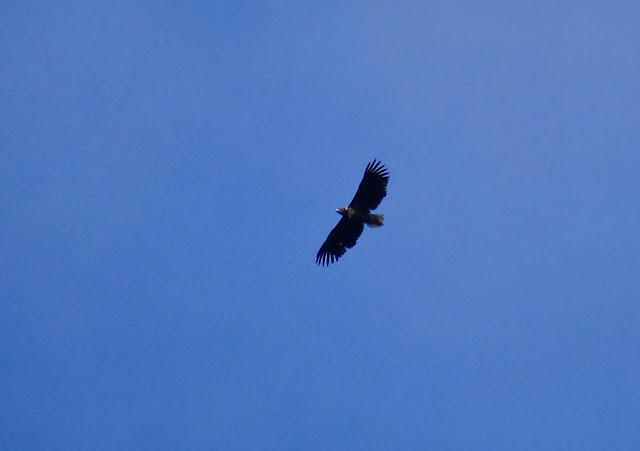 |
amazing - a white-tailed eagle gliding over nearby Poole Harbour © Birds of Poole Harbour
|